Diaries and Calendars


The Diary: A Conversation with Yourself
A diary isn't just a place to keep track of your day-to-day happenings. Used well, it becomes a running conversation between the person you are and the person you're becoming. The best way is to write today's affirmation, then underneath it write what's actually happening in your life; the doubt, the small win, the thing you're avoiding. Over weeks, the diary starts to show you patterns you couldn't see day to day: which affirmations you return to again and again, which ones felt hollow, which ones quietly changed how you handled a hard conversation.
There's also a simple neuroscience case for this. Writing by hand engages more of the brain than reading or scrolling does, and it slows you down just enough to actually absorb the words rather than skim past them. A diary entry takes two or three minutes, but it asks you to sit with a thought rather than consume it, and that sitting is where the real shift happens.
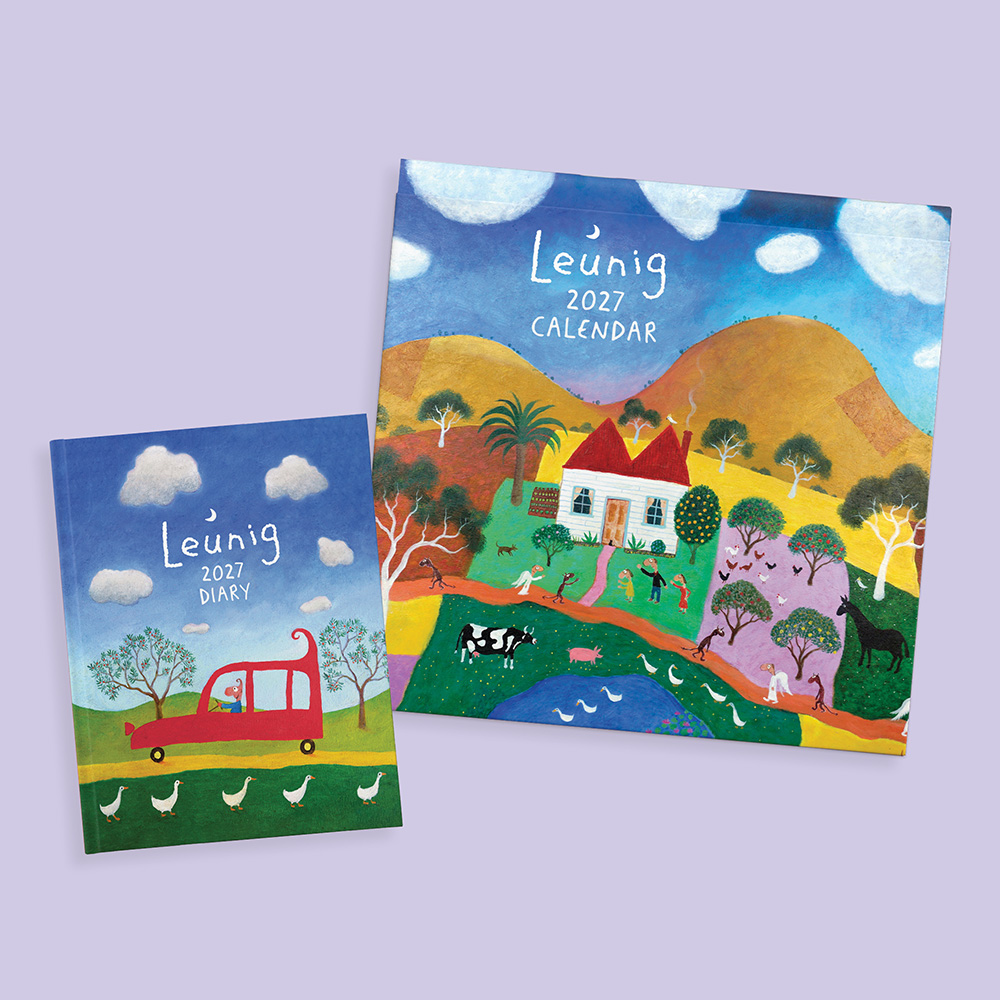
The Calendar: Affirmations You Can't Scroll Past
Where a diary rewards depth, a calendar rewards visibility. An Affirmations calendar lives somewhere you already look (the kitchen wall, your desk, the inside of a cupboard door) which means it reaches you on the days you'd never think to open an app or journal. That's often precisely when you need it most.
A well-designed Affirmations calendar also does something a diary can't: it paces you. Each date offers one thought, no more, so there's no pressure to have a profound reflection ready. You read it, you let it land for a second, and you move on with your day. Multiply that by 365, and you've built a year's worth of small, consistent nudges toward a kinder inner voice without ever having to "find the time" for it.
Using Both, Together
The two aren't competitors; they're complementary tools working on different timescales. The calendar gives you the daily prompt; quick, visible, low-effort. The diary gives you the space to process what that prompt stirred up, whenever you have five minutes to spare. Many people find the rhythm works best when the calendar sets the theme for the week and the diary becomes the place to explore it, turning a single line on a page into something that reshapes how you talk to yourself.

Starting Small
You don't need a perfect system to begin. Pick one affirmation today, write it somewhere you'll see it tomorrow, and notice how it feels to read it twice. That's the whole practice, really—not grand transformation, but small, dated proof that you're paying attention to your own mind!
Let the practice loosen rather than tighten. Some days you'll only manage to glance at the calendar. Other days the diary entry will run to a full page because something needed to come out. Both are examples of the practice working. Treat the diary and calendar less like a productivity system to optimise, and more like an ongoing check-in with yourself… one that happens to leave a paper trail you can look back on, months later, to see just how far your self-talk has come.