Get Well Soon

 |
Get Well Soon: How uplifting designs and messages aid in healing When someone we care about is facing illness, we instinctively send words of comfort and encouragement. Did you know that well-wishes and uplifting messages actually have measurable healing power? Research reveals that positive attitudes and encouraging messages don't just lift spirits – they genuinely influence the body's ability to heal and recover. |
Scientific research consistently demonstrates that positive attitudes have tangible effects on immune function. Studies show patients who have a positive mindset have a higher healing rate, while optimism affects immunity by increasing positive emotions. These positive emotions strengthen immune responses, helping the body fight off infection and disease more effectively.
The healing power of connection
When we send thoughtful, uplifting messages to those who are healing, we're participating in a powerful form of medicine. Research continues to validate what many cultures have long understood: healing happens through the support, love, and positive energy we share with one another. Every encouraging word, every beautiful card, every message of hope contributes to creating optimal conditions for the body and mind to heal.
The power of uplifting messages
Get well cards with encouraging words contribute to a healing environment with real physiological benefits:
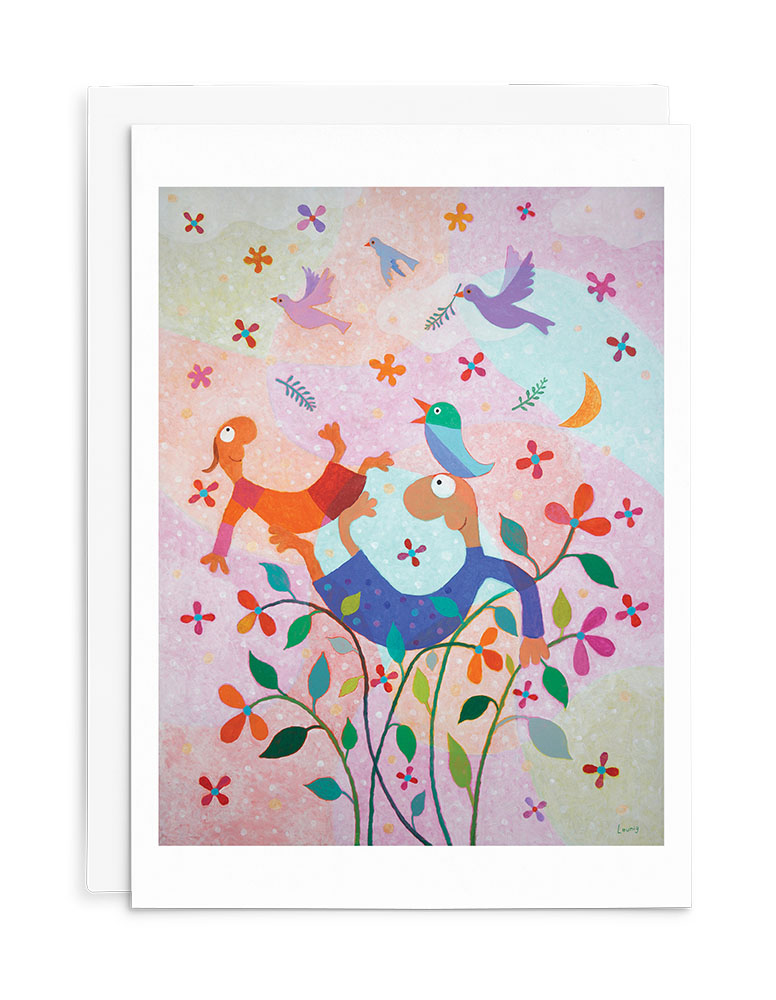
- Visual comfort: Uplifting imagery reduces anxiety and promotes calm.
- Emotional support: Knowing others care reduces our sense of isolation during illness.
- Stress reduction: Encouragement helps lower cortisol levels that impede healing.
- Cognitive reframing: Positive messages shift focus from illness to recovery.
How to write the perfect get well soon card
 |
1. Keep it personal and specific. Reference specific things about the person or shared memories rather than generic phrases. 2. Focus on strength, not illness. Acknowledge their resilience: "You've always been so strong, and I know that strength will carry you through this." 3. Offer specific support. Instead of "Let me know if you need anything," offer concrete help: "I'd love to bring you soup this Thursday." |
4. Share positive memories or future plans. "Remember when we laughed until we cried at that movie? Looking forward to many more moments like that."
5. Use forward-looking language. Focus on recovery: "Each day brings you closer to feeling like yourself again."
6. Match your tone to the relationship. Close friends can be casual and personal, while colleagues prefer more formal but warm messages.

Sample healing messages
For serious illness: "Sending you strength and hope with every sunrise. You're surrounded by so much love and support."
For recovery: "Your positive spirit has always inspired me. Trust in your body's amazing ability to heal."
For a friend: "Missing your laugh and looking forward to creating new memories together soon."
For family: "You've taught me that tough times don't last, but tough people do."
References
Biotics Research. A Positive Attitude Can Boost Immunity.
Coalition of Asian Service Centers. (2018). How Does Thinking Positive Thoughts Affect Neuroplasticity?
English, K. (2024). The Neurobiology of Positive Thinking. LinkedIn.
Northboro Medical Associates. (2024). Can a positive attitude help healing?
Segerstrom, S. C. (2010). Optimism Boosts Immune System. Live Science.
Telus Health. (2024). The effects of positivity on brain health.
Vanderbilt University. (2004). Positive attitude has direct impact on recovery and health.