Travel As A Way Of Life
On sketchbooks, slow looking, and the journeys that always find their way back into the work.
Not everyone travels the same way. Some people take holidays. I take pilgrimages.
There is a difference between visiting a place and absorbing it. Between ticking off the sights and letting a city, a landscape, a shaft of light through an old doorway, change something in you. For as long as I can remember, I have been drawn to the second kind of travel: the slower, more attentive kind, where you aren’t moving through the world so much as receiving it.
Travel, for me, has never really been a break from work. It is the work. Every journey I take feeds back into everything I make — the colours, the patterns, the textures, the feeling-tones of the pieces that eventually find their way into Cottonwood Studio and out into the world. I couldn’t separate the two even if I wanted to.
|
The Collector’s Eye I travel as a collector. Not of souvenirs — though I confess to an unreasonable number of washi tapes, handmade papers, and brushes accumulated in Japanese stationery shops — but of impressions. I collect the way colour sits differently in different latitudes. The way Eastern European architecture layers its history in ochre and faded turquoise. The way Greek light at five in the afternoon makes the ordinary world look like a painting already finished. |
 |
|
|
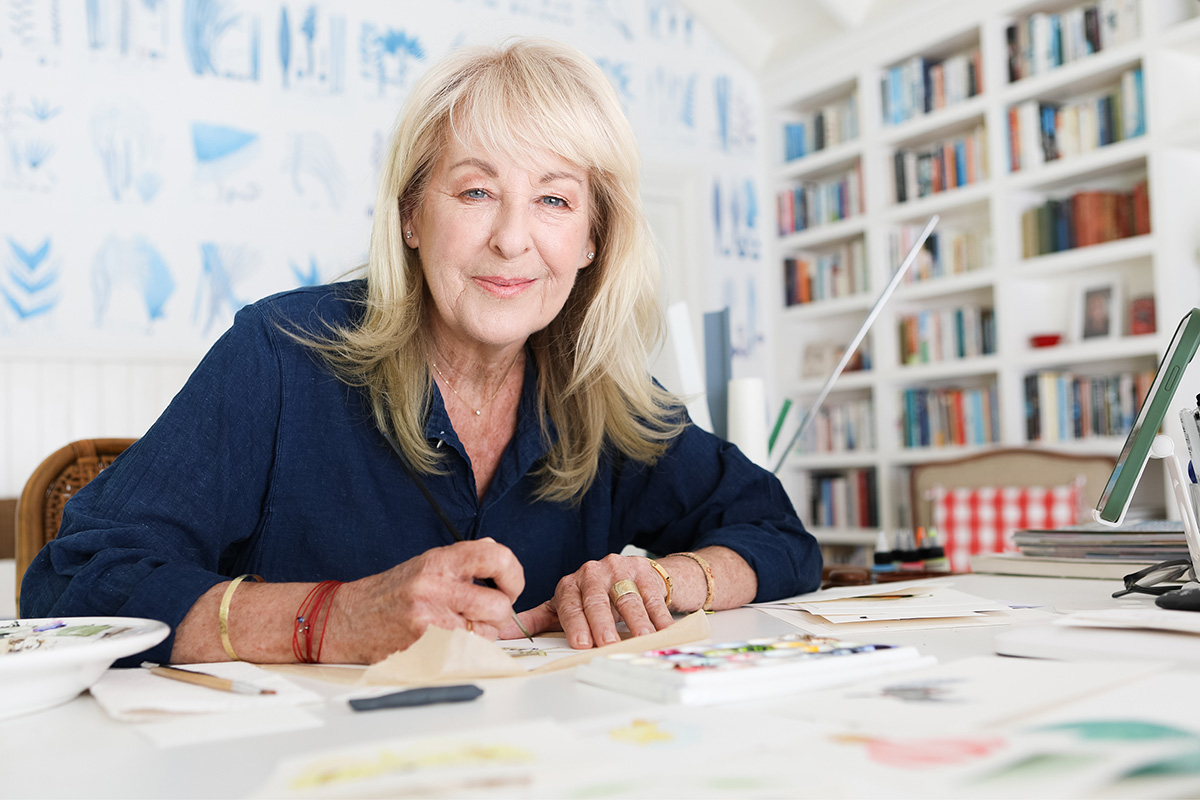
I carry a sketchbook everywhere. Small enough to fit in a tote bag, robust enough for watercolour. Some of my most important paintings have begun as ten-minute studies made in a square somewhere, a jar of water balanced on a wall beside me, the whole world going about its business while I try to catch the quality of the shadows. These sketches almost never make it onto a finished piece directly. But they go into the deep reservoir. They become part of the visual language I draw on when I’m back at the studio at Cottonwood, looking for exactly the right quality of blue for a coastal series, or trying to remember how the light behaved in that alleyway in Kyoto. The sketch is a memory made precise. |
||
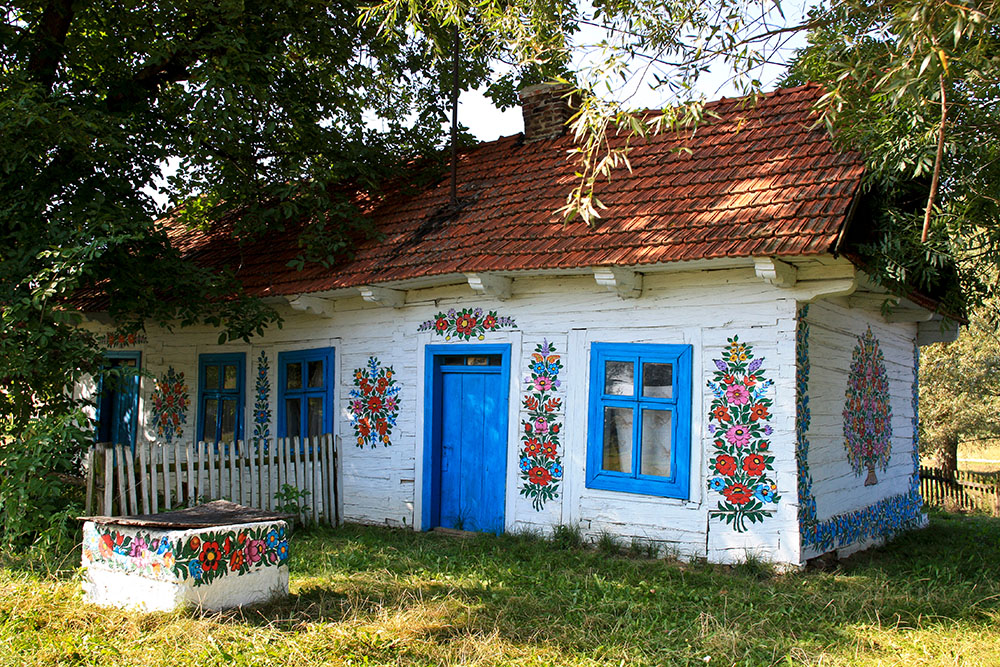 |
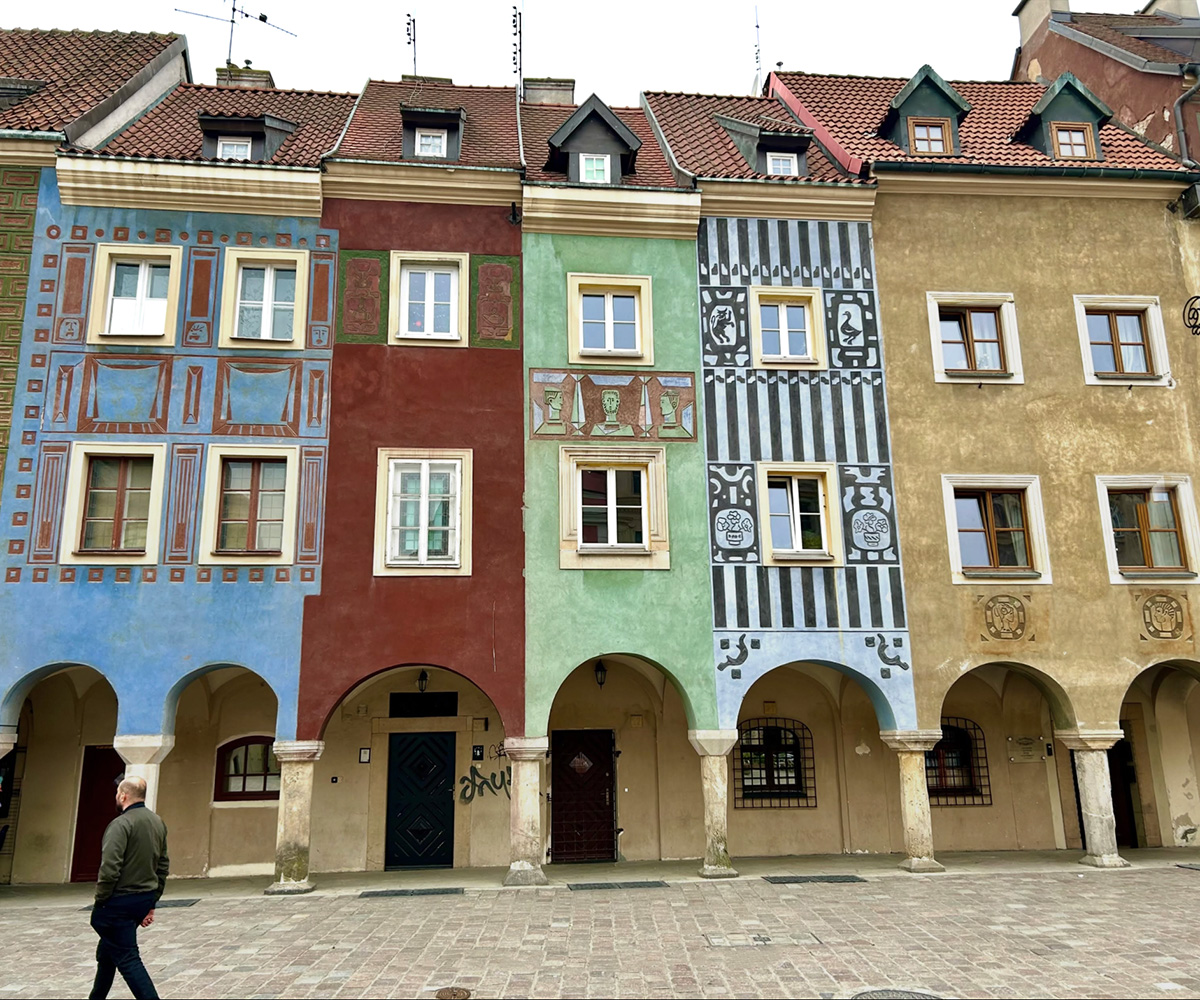
What Eastern Europe Taught Me This year, I find myself travelling to Eastern Europe — Poland, the land of my ancestors, Prague, Berlin and Vienna, the old town squares, the craft markets, the centuries layered into every wall and doorway. |
|
|
The colours of Eastern Europe are not the colours of anywhere else. They have earned their complexity over centuries — the dusty sage of old ironwork, the terracotta of rooftiles worn smooth by rain, the faded golds and umbers that speak of grandeur and time in equal measure. I filled notebook pages with architectural fragments, floor tile patterns, embroidered borders glimpsed at market stalls. All of it accumulating quietly, waiting to become something. What moves me most is the living craft tradition; the sense that making beautiful things by hand is not a nostalgic pursuit but simply part of life. Standing in front of a piece of hand-embroidered folk textile, I feel the same recognition I feel in front of a great painting. Someone’s eye shaped this. Someone’s hands carried it into being. |
||
|
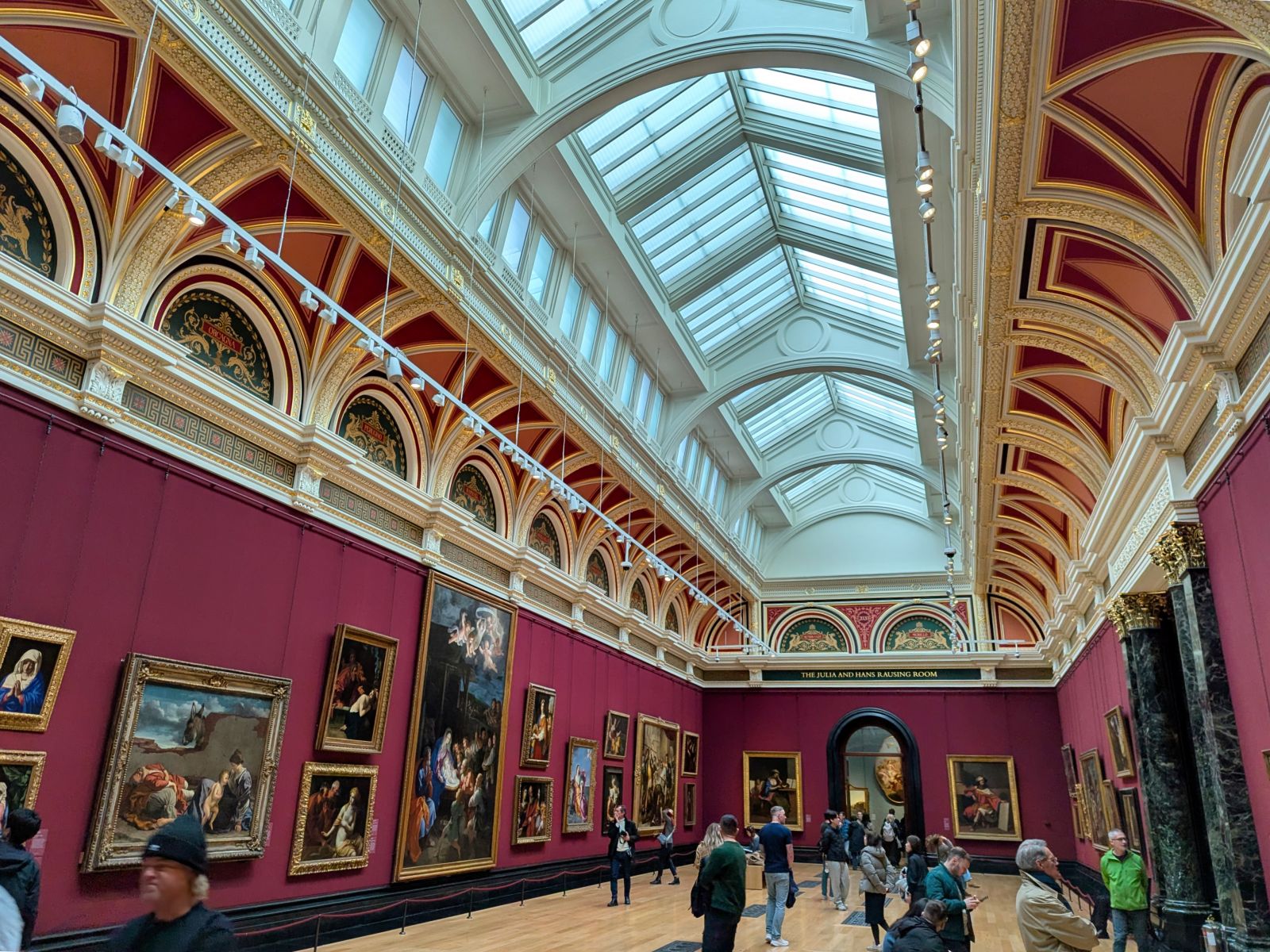
London and the Rush of Ideas London is a different kind of creative nutrition. Where Eastern Europe works on you slowly, London comes at you fast — the galleries, the design culture, the sheer restless energy of a city that has never stopped reinventing itself. I go to London and come home overstimulated in the best possible way, notebooks full, mind racing. |
 |
|
|
This trip we will spend time at the licensing fair, in museums, and in the kind of small specialist shops that only cities like London sustain: a paper marbling studio, a letterpress printer tucked down a side street. I’ll connect with people who are making beautiful things and thinking seriously about design, and come away reminded that this work we do — making objects that carry meaning and care into people’s lives — really matters. |
||
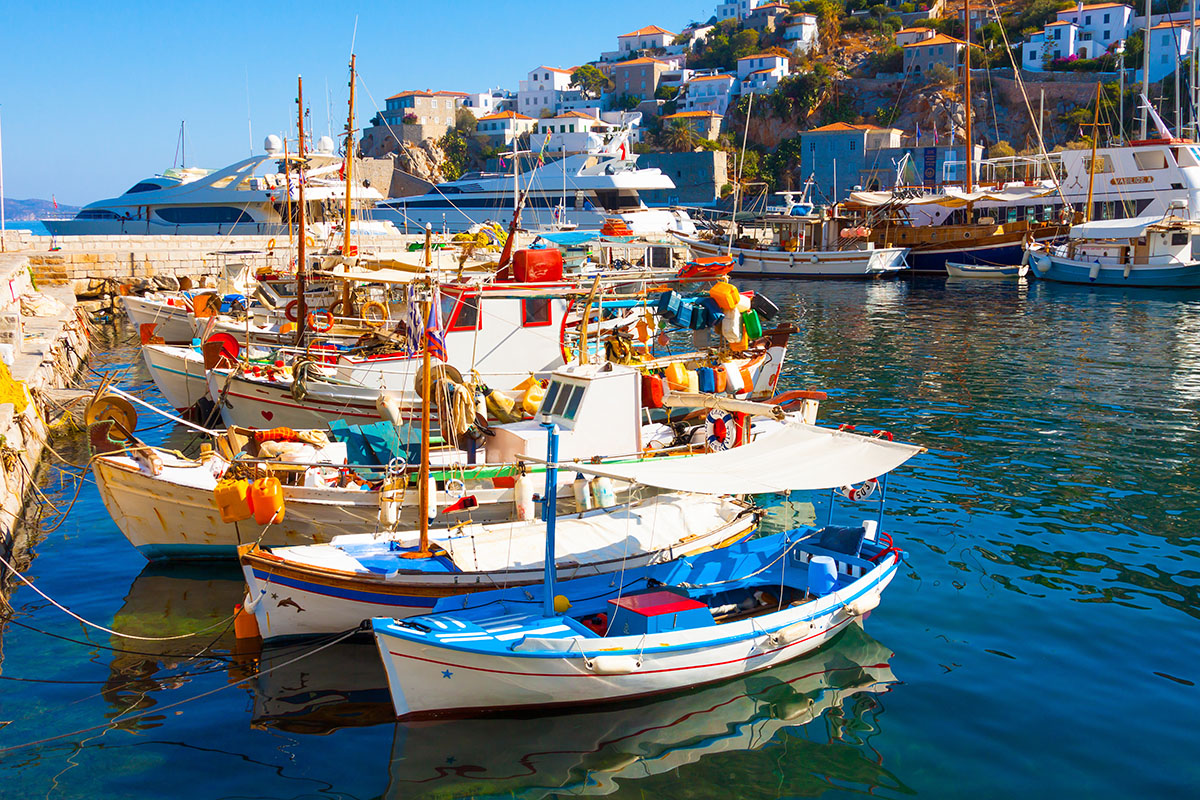 |
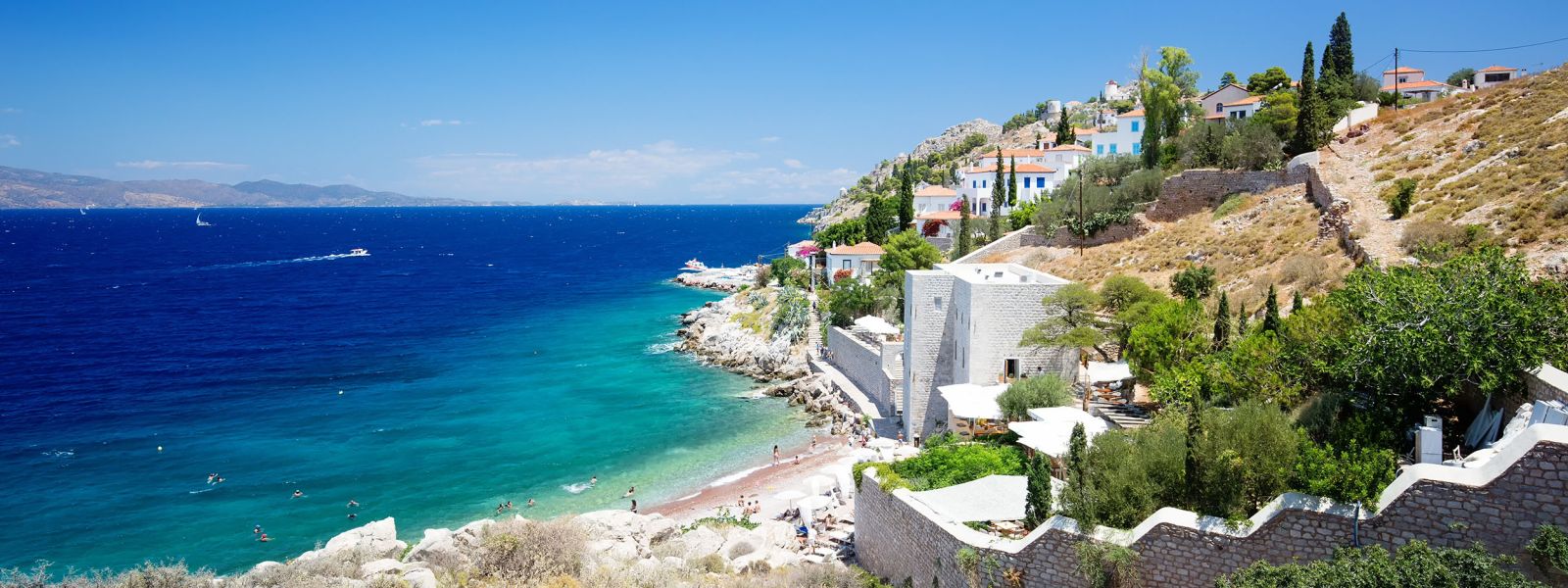
Greece and the Education of Light The Aegean at dawn. The way whitewashed walls hold the blue of the sky in their shadows. The gold of late afternoon on stone that has been warm since morning. Greece makes you work quickly — the light shifts constantly and gives you no second chances — and that urgency loosens something in the painting. You stop trying to be careful and start trying to be true. The results surprise me. |
I’ll paint whenever and wherever I can. Early mornings before the heat builds. In the shade of The Pirate Bar. At the hour when everything turns amber and the sea goes silver. Boats, bougainvillea, the geometry of terraced hillsides.
|
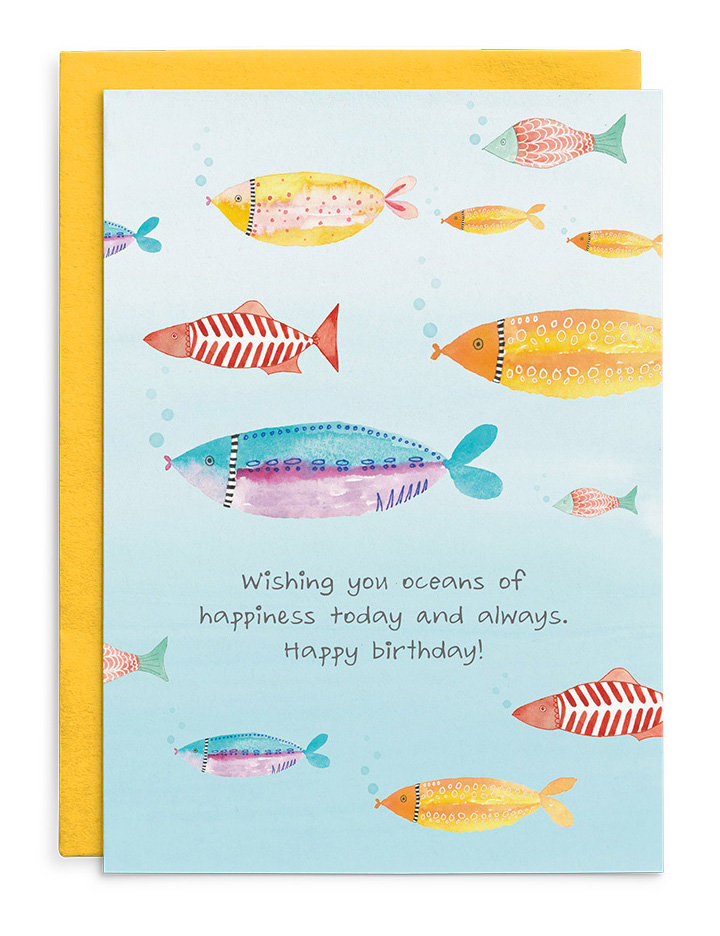
And in the decorative traditions of Greek folk art — the geometric borders, the tile work, the repeating forms carved into doorways — I found something that has been feeding directly into the new design work. Ancient patterns that feel completely contemporary. Forms that translate beautifully into surface pattern, into the kind of work that lives on a card, a wrap, a length of washi tape. |
 |
 |
The Studio Waiting I come home from every journey the same way: full, slightly dazed, and desperate to get back into the studio. The farm is always itself: the old trees, the river, the rolling paddocks, the distinct quality of light in the Gleniffer Valley that is like nowhere else on earth. Familiarity, after so much newness, is its own kind of grace. I bring the world back with me. It comes in through the sketchbooks and the memories and the exceptional way of seeing that travel sharpens and re-opens. It comes out in the work slowly, over months, the way a long conversation continues to give back its meaning long after the words have been spoken. |
I have been painting for sixty years. I still don’t know exactly what a painting is, or where it comes from, or why some journeys give you so much and others only what you already had. But I know that travel and making are, for me, one continuous practice — one long attempt to pay attention to a world that is, if you look at it properly, almost impossibly beautiful.
SUZI MAHER · COTTONWOOD STUDIO · GLENIFFER VALLEY, NSW